
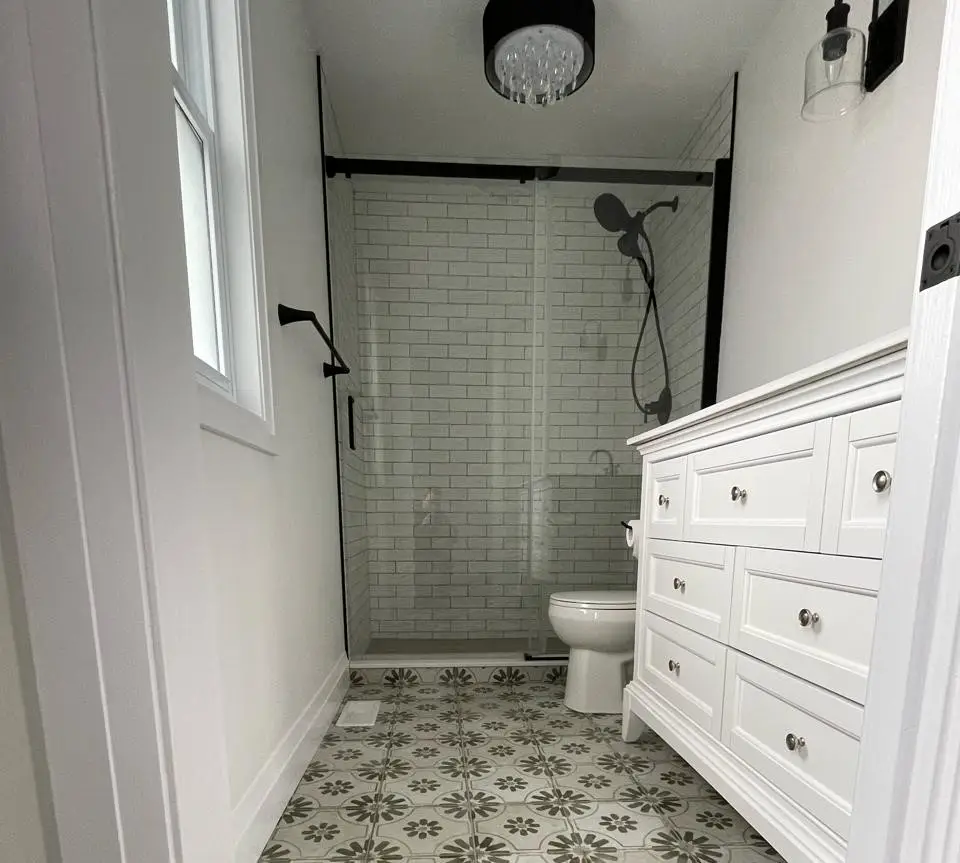
Bathroom renovations are one of the most popular home improvement projects, and for good reason. A well-designed bathroom can improve day-to-day comfort, increase storage, and add value to your home.
The challenge is knowing where to spend money.
Not every bathroom upgrade has the same impact. Some improvements make the space more functional and hold up better over time, while others are mostly cosmetic.
If you are planning a bathroom renovation, here are some of the best ways to approach it.
1. Start With the Layout
One of the biggest mistakes homeowners make is focusing on finishes before function.
A bathroom can have beautiful tile and expensive fixtures, but if the layout feels cramped or awkward, it will never work as well as it should.
Before choosing finishes, ask yourself:
- Is there enough counter space?
- Does the shower feel too small?
- Is storage limited?
- Does the room feel crowded?
In some cases, moving fixtures can make a major difference.
Examples include:
- Expanding the shower footprint
- Replacing a bulky tub with a walk-in shower
- Adding a double vanity
- Improving traffic flow
A better layout usually has a bigger impact than cosmetic upgrades alone.
2. Upgrade the Shower
For many homeowners, the shower becomes the focal point of the bathroom.
Modern bathroom renovations often prioritize:
- Walk-in showers
- Frameless glass enclosures
- Larger shower spaces
- Built-in storage niches
- Better waterproofing systems
Larger showers often improve both function and resale appeal.
For older bathrooms, replacing small shower stalls can make the entire room feel more open.
3. Prioritize Storage
Bathrooms tend to collect clutter quickly.
One of the best ways to improve functionality is to plan for storage from the beginning.
Popular storage upgrades include:
- Larger vanities with built-in drawers
- Recessed medicine cabinets
- Linen storage towers
- Built-in shelving
- Hidden storage solutions
Storage may not be the most exciting part of a renovation, but it usually becomes one of the most appreciated.
4. Choose Durable Materials
Bathrooms deal with constant moisture, temperature changes, and heavy daily use.
Because of this, materials matter.
Some durable options homeowners often choose include:
Flooring
Water-resistant tile or luxury vinyl flooring tends to perform well over time.
Countertops
Quartz is popular because it is durable, low maintenance, and resistant to moisture.
Paint
Bathrooms benefit from paints designed to resist moisture and mildew.
Fixtures
Quality faucets, hardware, and shower systems usually last longer and require less maintenance.
Choosing durable materials often saves money in the long run.
5. Improve Lighting
Lighting is one of the most overlooked parts of a bathroom renovation.
Poor lighting can make even a newly renovated bathroom feel outdated.
The best bathroom designs usually combine multiple layers of lighting:
Vanity Lighting
Helps with grooming, makeup, and shaving.
Overhead Lighting
Provides general brightness.
Accent Lighting
Can add warmth and improve the feel of the space.
Natural light also makes a major difference when available.
6. Do Not Ignore Ventilation
Ventilation may not be exciting, but it matters.
Bathrooms without proper airflow are more likely to experience:
- Moisture buildup
- Condensation
- Mold growth
- Paint damage
Upgrading ventilation during a renovation can help protect the space long term.
This is especially important in older homes.
7. Think About Long-Term Accessibility
Even if accessibility is not an immediate concern, planning for the future can be smart.
Small decisions now can make the bathroom easier to use for years to come.
Popular upgrades include:
- Curbless showers
- Wider entry points
- Comfort-height toilets
- Better lighting
- Grab bar reinforcement behind walls
For some homeowners, accessibility improvements may also qualify for tax credits depending on the situation.
8. Decide Between a Cosmetic Update and a Full Renovation
Not every bathroom needs to be fully rebuilt.
Sometimes a cosmetic refresh is enough.
This may include:
- New vanity
- Updated lighting
- Paint and fixtures
- New flooring
Other times, a full renovation makes more sense.
Signs you may need a full remodel:
- Plumbing issues
- Poor layout
- Water damage
- Outdated finishes throughout
- Lack of storage or functionality
If the bathroom no longer works for how you live, it may be worth approaching the project more comprehensively.
9. What Bathroom Upgrades Add the Most Value?
While every home is different, upgrades that tend to have the biggest impact include:
- Walk-in showers
- Updated vanities
- Better storage
- Modern lighting
- Durable finishes
- Improved layout
Bathrooms are one of the rooms buyers pay close attention to, so improvements here can go a long way.
Should You Renovate Just the Bathroom or More of the Home?
Sometimes homeowners begin with a bathroom renovation and realize other parts of the house also need attention.
If you are updating multiple rooms or improving layout throughout the home, it may make sense to look at a larger renovation plan.
Coordinating projects together can improve consistency and reduce disruption over time.
You can learn more about our Bathroom Renovation services or explore our Full Home Renovation services if larger changes are part of your plans.
Planning Your Bathroom Renovation
The best bathroom renovations focus on more than appearance.
A good renovation should improve:
- Function
- Comfort
- Storage
- Durability
- Long-term value
If you are planning a renovation and want a rough idea of pricing, try our Construction Price Estimator Tool to better understand project scope and budget.
When you are ready to discuss your project, reach out to our team to start planning your renovation.