
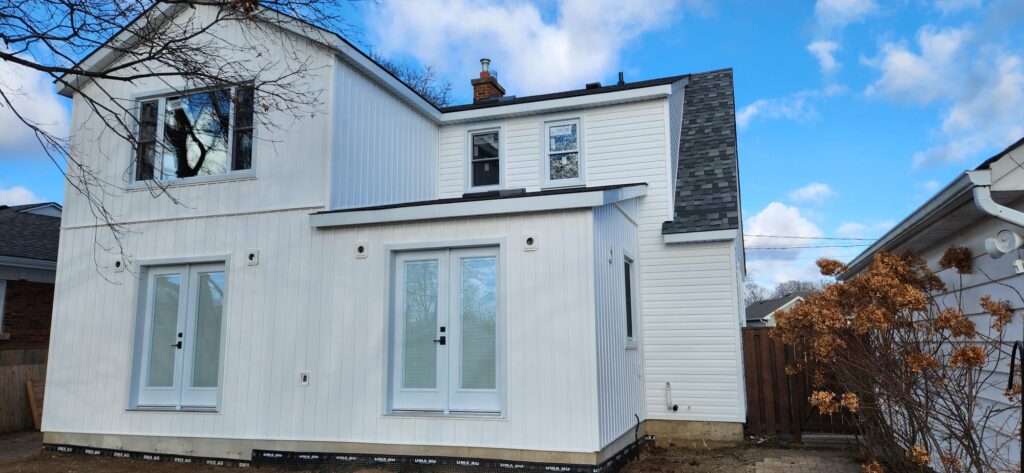
In most cases, yes.
A well-planned home addition can increase your property value, improve how your home functions, and make it more appealing to future buyers. The key is choosing the right type of addition and building it properly.
Not every project delivers the same return, so it is important to understand where the value actually comes from.
Why Home Additions Add Value
The main reason home additions increase value is simple. You are adding usable space.
In real estate, square footage is one of the biggest drivers of property value. When you add bedrooms, bathrooms, or living space, you are increasing both the size and functionality of your home.
Beyond size, additions can also:
- Improve layout and flow
- Add features that buyers look for
- Make the home more flexible for different living situations
In competitive markets, these factors can make a big difference.
Which Types of Additions Add the Most Value?
Some additions consistently deliver better returns than others.
Additional Bedrooms and Bathrooms
Adding bedrooms or bathrooms is one of the most reliable ways to increase value.
Why it works:
- Expands the number of potential buyers
- Increases overall functionality
- Often raises the perceived size of the home
This is especially important for growing families.
Kitchen Extensions
Kitchens are one of the most important areas in any home.
A larger, more functional kitchen can:
- Improve day-to-day usability
- Increase buyer appeal
- Help the home feel more modern
Many homeowners choose rear extensions specifically to expand the kitchen and living area.
Second-Storey Additions
Adding a second storey significantly increases square footage without reducing yard space.
Why it adds value:
- Major increase in living space
- Better separation between living and sleeping areas
- Strong impact on resale value
These projects require more investment but often deliver strong long-term returns.
In-Law Suites or Secondary Units
These additions can provide both value and flexibility.
They can be used for:
- Multi-generational living
- Rental income
- Private guest space
In many cases, they make a property more attractive to a wider range of buyers.
Garage and Basement Conversions
Converting existing structures can be a cost-effective way to add usable space.
While they may not increase value as much as full additions, they can still:
- Improve functionality
- Increase livable square footage
- Make the home more appealing
What Impacts the Return on Investment?
Not all additions perform the same. A few key factors influence how much value you get back.
Quality of Construction
Poor workmanship can hurt value instead of increasing it.
A well-built addition that matches the existing home will always perform better.
Design and Integration
The addition should feel like part of the home, not an afterthought.
Matching materials, layout, and flow makes a big difference.
Location and Market Conditions
Local demand plays a role in how much value is added.
In growing areas, additional space is often in high demand.
Type of Addition
Some additions solve bigger problems than others.
Projects that improve both space and function tend to perform best.
Is It Better to Renovate or Add On?
This depends on your situation.
If your home already has enough space but needs a better layout, a renovation may be enough. If you have outgrown the space entirely, an addition is usually the better investment.
If you are weighing both options, take a look at our Full Home Renovation Services and Home Additions Services to compare what each approach involves.
Short-Term vs Long-Term Value
It is also important to think beyond resale.
A home addition provides value in two ways:
- Immediate value through improved living space
- Long-term value through increased property size
If you plan to stay in your home for several years, the lifestyle benefit often outweighs the financial return.
Is a Home Addition Worth It?
For many homeowners, the alternative to building an addition is moving.
When you factor in:
- Realtor fees
- Land transfer taxes
- Moving costs
- Higher home prices
Building an addition often makes more sense financially.
It also allows you to stay in a location you already like.
Planning a Value-Driven Addition
If increasing value is a priority, the goal should be to build something that:
- Adds meaningful space
- Improves how the home functions
- Matches the existing structure
- Appeals to future buyers
Not every project needs to be high-end. It just needs to be done properly.
Get an Estimate for Your Project
Every home is different, so the best way to understand potential value is to look at your specific situation.
You can start by exploring our Home Additions Services to see what types of projects are possible.
For a quick starting point, use our estimator tool to get a rough idea of cost and scope. When you are ready, reach out through our contact page to talk through your project.