

Improving your home does not always require a complete renovation. Sometimes, a carefully chosen update can make a room more comfortable, improve storage, or give an outdated space a fresh appearance without replacing everything.
The key is choosing improvements that suit the condition of your home and solve a useful problem. New paint can brighten a tired room, but it will not fix an awkward layout. Replacing cabinet hardware can refresh a kitchen, but only if the cabinets themselves are still worth keeping.
At Little Rainy Construction, we help homeowners in Brantford and surrounding Ontario communities understand their options. As a home renovation contractor in Brantford, Ontario, we approach each project by considering what needs to change, what can stay, and where the work will make the biggest difference.
Here are ten home renovation ideas worth considering when you want to improve your home while keeping the scope manageable.

1. Refresh Your Walls With Paint
A fresh coat of paint remains one of the most approachable ways to update a room. It can brighten a darker space, create a more consistent appearance, or help older finishes feel better connected.
For adjoining rooms, consider colours that work together rather than choosing each one separately. A coordinated palette can make the home feel more cohesive without changing the layout.
Preparation matters as much as colour. Damaged drywall, peeling paint, and uneven patches need attention before the final coats go on. If you notice staining or recurring damage, identify the cause before covering it.
Keep the budget in mind: Focus first on the rooms you use most. Painting those areas may make a more noticeable difference than spreading the work across the entire home.
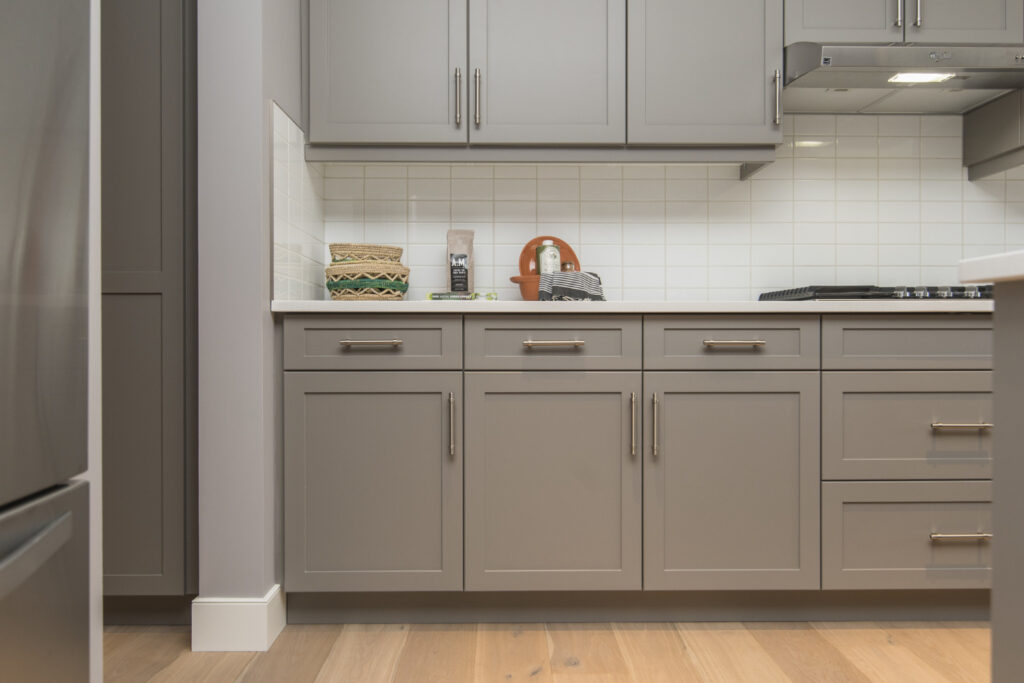
2. Update Cabinet Hardware and Selected Fixtures
If your cabinets are structurally sound and the layout works, new handles or knobs can give them a different look without replacing the cabinetry.
Choose hardware that fits the existing hole spacing where possible. This can reduce the need for filling, drilling, and refinishing cabinet fronts.
Selected fixtures, such as a kitchen faucet or bathroom tap, can also refresh a space. Check compatibility and installation requirements before purchasing. A fixture that looks like a simple replacement may need additional work to fit properly.
Keep the budget in mind: Match new finishes to the features you intend to retain. A coordinated update usually feels more deliberate than replacing individual pieces without considering the room.
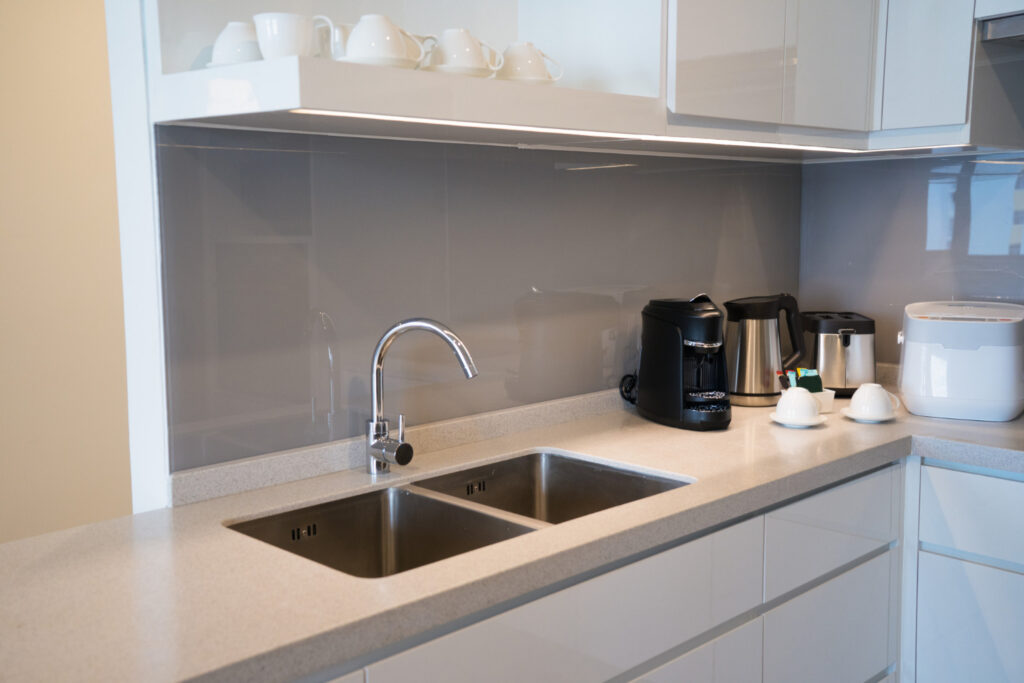
3. Add a Backsplash to an Existing Kitchen
A backsplash can add colour, texture, and a more finished appearance to a kitchen while leaving the main layout intact.
If your cabinets and countertops are staying, choose a material that complements them. Straightforward tile patterns can be easier to plan and install than intricate designs with numerous cuts.
The condition of the wall also matters. Removing an existing backsplash may require surface repairs before the new material can be installed.
A backsplash can work as a standalone improvement or form part of a larger kitchen renovation. If you expect to replace the countertops or cabinets soon, discuss the timing before investing in work that may need to be removed.
Keep the budget in mind: Keep the installation area and pattern simple, and account for preparation as well as the tile itself.

4. Improve Storage Without Expanding the Room
Before assuming you need more space, consider whether the existing space could work harder.
An underused alcove might accommodate shelving. A crowded entryway could benefit from a bench and organized storage. Better cabinet interiors may make a kitchen easier to use without adding more cabinetry.
The most useful storage improvements respond to specific frustrations. Think about what regularly ends up on counters, floors, or dining tables, then plan a place for those items.
Custom built-ins may suit awkward spaces, while standard-sized units can be a practical option elsewhere.
Keep the budget in mind: Choose the storage solution around what you need to store. Extra shelving is only useful if its size and placement fit your belongings.

5. Upgrade Lighting Where It Makes a Difference
Lighting can change how a room looks and how comfortably you use it.
A kitchen may need better task lighting over work surfaces. A living room might benefit from a combination of ceiling lighting and lamps. A basement may feel more inviting with lighting distributed across the space.
Replacing a fixture in an existing location can involve less work than adding new wiring or relocating lights. However, the right approach depends on the existing electrical setup and the improvement you want to achieve.
Discuss installation requirements with an appropriately qualified professional, especially if you want additional fixtures, switches, or circuits.
Keep the budget in mind: Start with areas where poor lighting affects daily tasks rather than replacing every fixture at once.

6. Replace Flooring in a Defined Area
Worn or damaged flooring can make an otherwise functional room feel overdue for an update. Replacing it in a clearly defined area can keep the project more manageable than changing flooring throughout the home.
When comparing products, consider durability, moisture exposure, comfort, and maintenance alongside appearance. The least expensive material is not always the best fit for the space.
Ask about the condition of the surface beneath the existing flooring. Repairs, levelling, transitions, and trim can all affect the work involved.
Keep the budget in mind: Choose sensible stopping points. If you intend to change the layout between adjoining rooms later, plan around that before installing new flooring.
7. Refresh a Bathroom While Keeping the Layout
A bathroom does not always need a complete redesign to become more comfortable and attractive.
If the existing layout works, improvements might include a replacement vanity, updated mirror, better storage, new lighting, or refreshed wall finishes.
Keeping fixtures in their current positions can help limit the scope compared with moving plumbing. However, visible updates should not take priority over leaks, damaged surfaces, or ventilation concerns.
Our bathroom renovation services can help homeowners explore whether a focused refresh or a more substantial renovation makes sense for the space.
Keep the budget in mind: Identify what you can retain before shopping for replacements. Make sure new products fit the existing space and connections.

8. Update a Finished Basement for a Clear Purpose
An already finished basement may need focused improvements rather than a complete transformation.
New paint, suitable flooring, improved lighting, and better storage can help create a more useful family room, workspace, or hobby area. Start by deciding how you want to use the space, then choose updates that support that purpose.
There is an important difference between refreshing a finished basement and turning an unfinished basement into living space. The latter can involve a much broader scope.
If there are signs of moisture or recurring water entry, investigate those concerns before covering surfaces or installing new finishes. Our basement renovation team can help you discuss the condition of the space and the changes you have in mind.
Keep the budget in mind: Focus on making one area genuinely useful rather than dividing the basement into more rooms than you need.
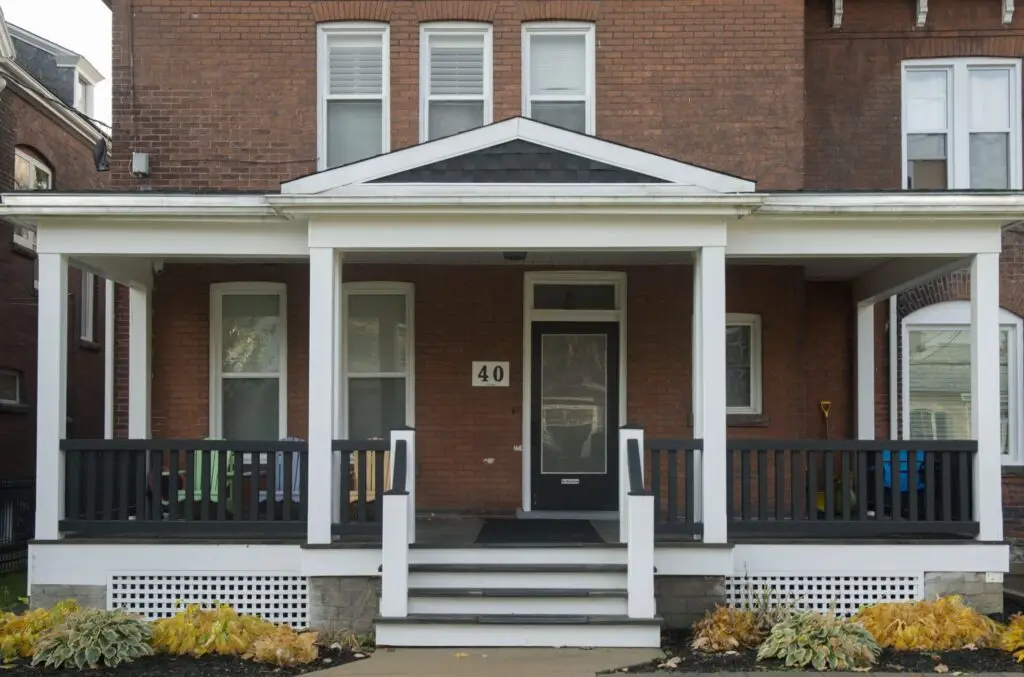
9. Improve the Front Entrance
A focused entrance update can improve both everyday use and the first impression of your home.
Depending on what needs attention, ideas might include repainting a sound front door, replacing worn hardware, updating exterior lighting, or improving storage just inside the entrance.
Look at function as well as appearance. Does the door operate properly? Is the entrance adequately lit? Is there a convenient place for shoes, coats, and bags?
If the door, threshold, steps, or surrounding surfaces are damaged, determine whether repairs or replacement are needed before choosing cosmetic updates.
Keep the budget in mind: Address the features that are worn or difficult to use rather than redesigning the entire entrance.
10. Refresh Interior Doors and Trim
Scuffed trim, damaged baseboards, and mismatched interior doors can make a home feel less consistent, even when the larger features are in good condition.
Repainting sound trim or replacing selected damaged pieces can help clean up the appearance of a room. Updating door handles can also create a more coordinated finish.
Replacing complete doors or trim throughout the home is a larger undertaking. Consider whether the existing pieces need replacement or whether preparation, repair, and paint would achieve the result you want.
If new flooring is also planned, coordinate the work so trim and door adjustments account for the finished floor.
Keep the budget in mind: Begin with the most visible damage and heavily used areas, then consider whether a wider update is worthwhile.
How Much Could Your Renovation Cost?
Even a focused renovation depends on the size of the space, material choices, preparation, and existing conditions. A cosmetic update can become a larger project if underlying repairs are needed.
Our home renovation price estimator can help you explore an initial budget based on the project information you provide.
Use that estimate as a starting point for planning. A project-specific quote needs to account for the agreed scope, selections, and conditions of your home.
If you have several ideas in mind, list your priorities before discussing the work with a home renovation contractor. That makes it easier to identify which improvements belong together and which could reasonably wait.
When a Smaller Update Is Not Enough
Budget-friendly improvements are most useful when the underlying space works reasonably well.
If the kitchen layout makes cooking difficult, new hardware will not solve that problem. If several rooms need structural or system changes, treating each one as a cosmetic project may lead to repeated work.
For homeowners considering full home renovations, it is worth discussing the complete picture before committing to individual updates. You may decide to renovate in stages, but those stages should support the result you ultimately want.
Explore Your Renovation Options With Little Rainy Construction
The best renovation idea is one that improves your home in a way you will notice and use. That might mean better storage, a refreshed bathroom, or a more coordinated living space.
Little Rainy Construction helps homeowners in Brantford and surrounding Ontario communities plan renovations around their needs and priorities. Whether you are exploring focused improvements or preparing for a larger project, our Brantford home renovation team can help you understand the options.
Start with our price estimator tool, consider what matters most, and tell us what you would like to change. We can help you plan the next step toward a home that works better for you.