
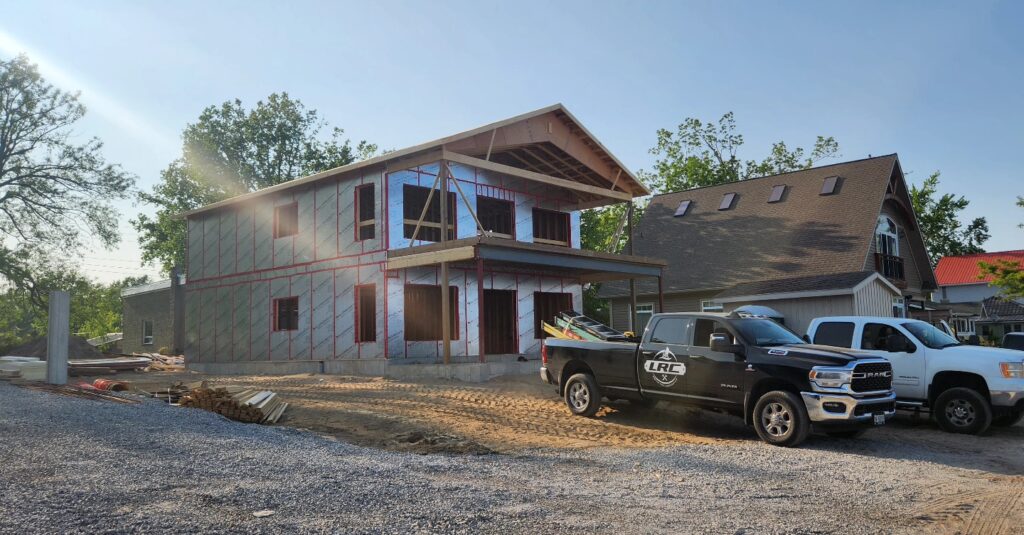
Building a custom home is one of the biggest investments many homeowners will ever make. Whether you’re planning your forever home or exploring the possibility of a custom home build, understanding the costs involved is one of the first steps toward creating a home that’s designed specifically for your lifestyle, budget, and long-term goals.
So, how much does it cost to build a custom home in Ontario?
The answer depends on several factors, including the size of the home, the complexity of the design, the quality of finishes, and the condition of the building lot. While every project is different, understanding the typical price ranges can help you plan your budget with confidence before moving forward.
Average Cost to Build a Custom Home in Ontario
Custom home construction costs can vary significantly, but most projects fall within the following general ranges:
- Entry-level custom home: $250 to $350 per square foot
- Mid-range custom home: $350 to $500 per square foot
- High-end custom home: $500+ per square foot
For example:
1,500 sq. ft. home
Approximately $375,000 to $750,000+
2,000 sq. ft. home
Approximately $500,000 to $1,000,000+
2,500 sq. ft. home
Approximately $625,000 to $1,250,000+
These estimates provide a realistic starting point, but every project is unique. The final cost depends on your home’s design, the materials you choose, and the overall scope of construction.
What Factors Affect the Cost of a Custom Home?
No two homes are exactly alike, which is why pricing can vary so much from one project to another.
Home Size
Square footage is one of the biggest factors affecting cost. Larger homes require more materials, labour, and construction time, increasing the overall investment.
Home Design
The complexity of the design also plays a significant role.
Simple floor plans are generally less expensive to build than homes featuring multiple rooflines, vaulted ceilings, large window walls, or complex architectural details.
When planning a custom home build, balancing your wish list with your budget early in the design process can help avoid unnecessary costs later.
Interior Finishes
Interior selections can dramatically change the final budget.
Examples include:
- Cabinetry
- Flooring
- Countertops
- Plumbing fixtures
- Lighting
- Interior doors and trim
- Appliances
Premium finishes naturally increase construction costs, while more modest selections can help keep the project within budget.
Building Lot
The property itself can also impact pricing.
Factors that often increase construction costs include:
- Sloped lots
- Rock excavation
- Tree removal
- Poor soil conditions
- Long utility connections
- Extensive grading
Every lot presents its own opportunities and challenges, which is why site evaluation is an important part of the planning process.
Mechanical Systems
Heating, cooling, plumbing, electrical systems, and ventilation all contribute to the overall cost of a custom home.
Many homeowners also choose to include:
- Smart home technology
- High-efficiency HVAC systems
- Backup generators
- Heated floors
- Energy-efficient upgrades
These features increase the upfront investment but can improve comfort and reduce operating costs over time.
Does the Cost Include the Land?
Not necessarily.
Most custom home pricing refers to the cost of constructing the home itself.
If you have not yet purchased a building lot, you’ll also need to budget for:
- Land purchase
- Site preparation
- Utility servicing
- Development charges
- Municipal permits
These expenses vary depending on the location and the condition of the property.
Are Custom Homes More Expensive Than Buying an Existing Home?
Building a custom home often requires a larger upfront investment than purchasing an existing house.
However, many homeowners choose this route because it allows them to avoid making compromises.
Working with a custom home builder gives you complete control over your home’s layout, finishes, storage, energy efficiency, and future functionality. Instead of buying an older home and planning renovations over the next several years, you’re creating a home that already reflects your lifestyle from day one.
While the initial investment may be higher, it can reduce future renovation costs and provide better long-term value.
Where Should You Spend Your Budget?
Every homeowner has different priorities, but some investments consistently provide lasting value.
Areas worth prioritizing include:
- Functional kitchen layouts
- High-quality windows and exterior materials
- Durable flooring
- Energy-efficient mechanical systems
- Well-designed bathrooms
- Plenty of built-in storage
Investing in quality where it matters most can improve both everyday living and long-term resale value.
Don’t Forget About Contingency
Even with careful planning, it’s smart to include a contingency fund in your construction budget.
Unexpected expenses can arise during any construction project, particularly if site conditions change or design decisions evolve throughout the build.
Many homeowners set aside approximately 10% to 15% of their overall budget to account for unforeseen costs.
Planning for the unexpected helps keep your project moving without unnecessary stress.
Should You Build a Custom Home or Renovate?
Deciding between a custom home and renovating your current property depends on your goals, budget, and the condition of your existing home.
If your current home has a good layout and is located in a neighbourhood you love, a full home renovation or home addition may give you everything you need without starting over.
On the other hand, if your current home no longer fits your lifestyle, has significant structural limitations, or would require extensive renovations to achieve your vision, building a custom home may be the better long-term investment.
Questions to consider include:
- Do you have enough space?
- Does your home’s layout work for your family?
- Would renovating cost nearly as much as rebuilding?
- Are you planning to stay in the home for many years?
Answering these questions can help determine which path makes the most financial and practical sense.
Planning Your Custom Home
A successful custom home starts with realistic expectations, thoughtful planning, and an experienced construction team.
At Little Rainy Construction, we help homeowners throughout Brantford and surrounding communities design and build homes that reflect their lifestyle, priorities, and long-term goals. Whether you’re building on a newly purchased lot or replacing an existing home, our custom home building process focuses on quality craftsmanship, clear communication, and careful planning from start to finish.
If you’re still exploring ideas, our Construction Price Estimator Tool is a great way to get a rough understanding of project costs before planning your build.
When you’re ready to discuss your vision, our team is here to help you take the next step.