
Building a custom home is an exciting opportunity to create a space that’s designed specifically for your family and lifestyle. It also involves hundreds of decisions that can impact your budget, timeline, and overall satisfaction with the finished home.
The good news is that many of the most common problems are preventable.
With careful planning and the right construction team, you can avoid costly mistakes and enjoy a much smoother building experience.
Here are ten mistakes homeowners should avoid when planning a custom home.

1. Choosing a Builder Based Only on Price
Everyone wants to stay within budget, but choosing a builder solely because they submitted the lowest quote can lead to unexpected costs later.
The cheapest proposal may not include the same level of finishes, project management, communication, or craftsmanship as another builder.
When comparing contractors, consider:
- Experience with custom homes
- Quality of previous projects
- Communication style
- What’s included in the quote
- Warranty coverage
- Overall value, not just price
Building a custom home is a long-term investment. Choosing the right builder often has a much bigger impact than choosing the lowest price.
2. Not Setting a Realistic Budget
Many homeowners begin with a rough budget but underestimate everything that goes into building a home.
Beyond construction itself, remember to account for:
- Site preparation
- Permits
- Utility connections
- Landscaping
- Driveways
- Interior finishes
- Furniture and appliances
- Contingency funds
A well-planned budget helps reduce surprises throughout the project.
If you’re still exploring costs, understanding what goes into a custom home build can help you develop more realistic expectations before construction begins.
3. Designing for Today Instead of the Next 20 Years
Your home should work for your life today, but it should also support how your needs may change in the future.
Ask yourself:
- Will your family grow?
- Will children eventually move out?
- Do you work from home?
- Will you need a main-floor bedroom later in life?
- Is there enough storage for the future?
Thinking long term often results in better design decisions and a home you’ll enjoy for many years.
4. Not Planning Enough Storage
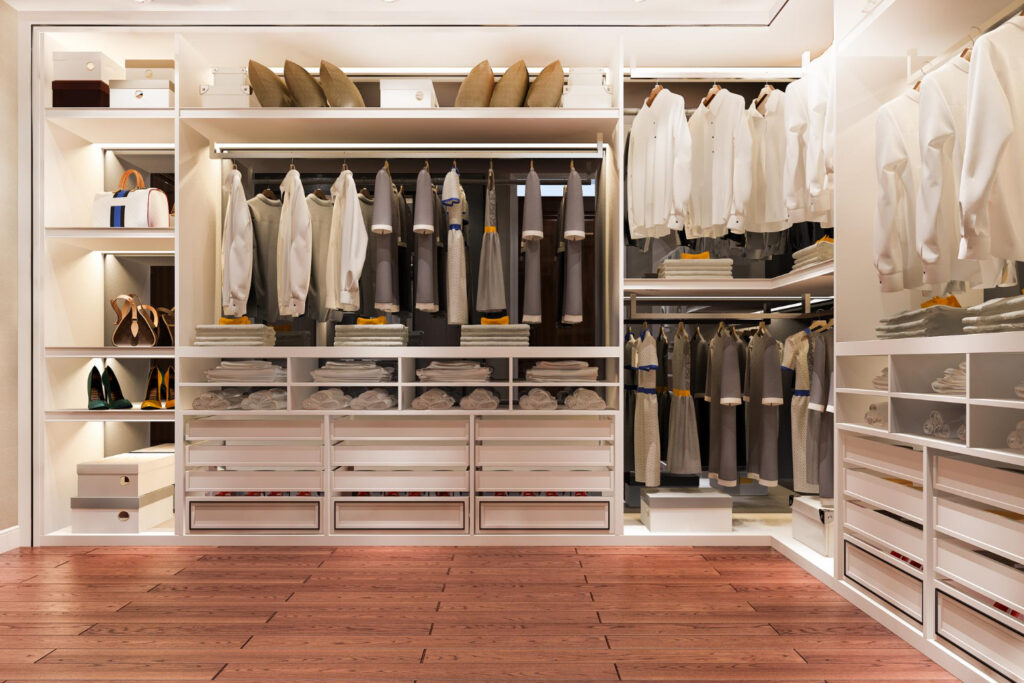
Storage is one of the most overlooked parts of home design.
Many homeowners focus on large, open spaces but forget about where everyday items will actually be stored.
Consider including:
- Walk-in pantries
- Mudrooms
- Linen closets
- Garage storage
- Laundry room cabinetry
- Seasonal storage
- Built-in shelving
Well-planned storage helps keep the home organized long after construction is complete.

5. Prioritizing Trends Over Function
It’s easy to get caught up in the latest design trends.
While there’s nothing wrong with incorporating modern finishes, your home’s layout should always come first.
Ask yourself:
- Will this still work five or ten years from now?
- Is this practical for everyday living?
- Does it fit my family’s lifestyle?
Timeless design choices often age better than short-lived trends.

6. Waiting Too Long to Make Design Selections
One of the most common causes of construction delays is waiting too long to select finishes.
Products like cabinets, windows, flooring, lighting, and plumbing fixtures often have lead times.
Delaying these decisions can affect the construction schedule and push back completion dates.
Whenever possible, make major selections before construction begins so materials are ready when they’re needed.
7. Ignoring Energy Efficiency
A custom home gives you the opportunity to build using today’s construction standards.
While energy-efficient upgrades may increase upfront costs, they can reduce monthly utility bills and improve comfort for years to come.
Popular upgrades include:
- High-performance windows
- Better insulation
- Energy-efficient HVAC systems
- Smart thermostats
- LED lighting
- Air sealing improvements
These investments often provide value long after construction is complete.
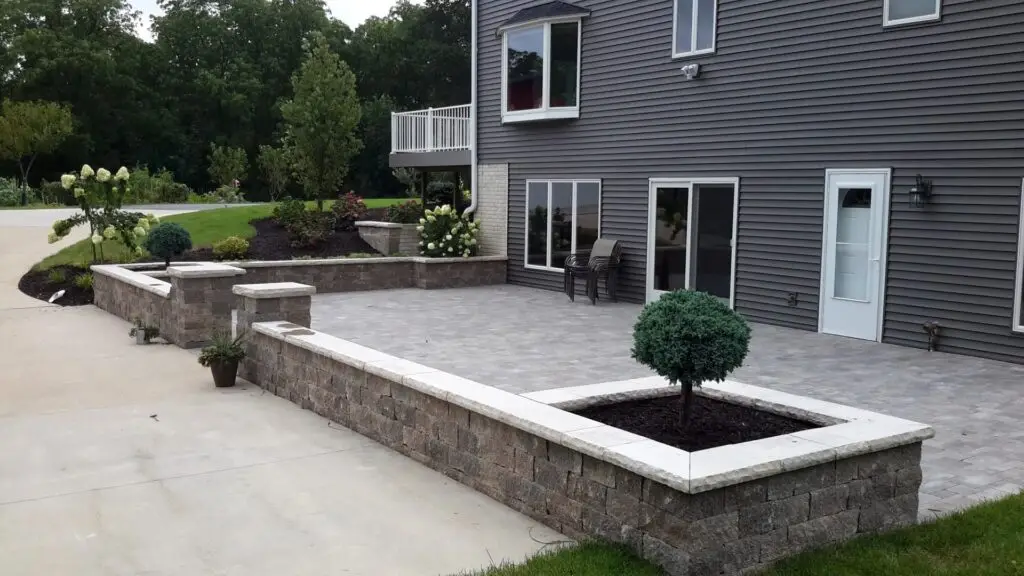
8. Forgetting About Outdoor Living Spaces
Many homeowners spend months designing the inside of the home but give very little thought to the exterior.
Think about how you’ll actually use your property.
Consider features like:
- Covered patios
- Outdoor dining areas
- Future pool locations
- Decks
- Fire pit areas
- Garage placement
- Landscaping
Planning these spaces early often creates a more cohesive property overall.
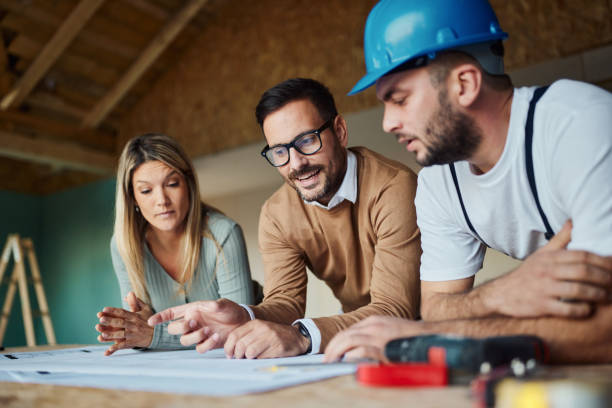
9. Making Major Changes During Construction
It’s completely normal to make a few adjustments during construction.
However, large design changes after work has already started can create additional costs and extend the project timeline.
Examples include:
- Moving walls
- Changing room layouts
- Relocating plumbing
- Switching major finish selections
The more decisions that are finalized before construction begins, the smoother the project tends to be.
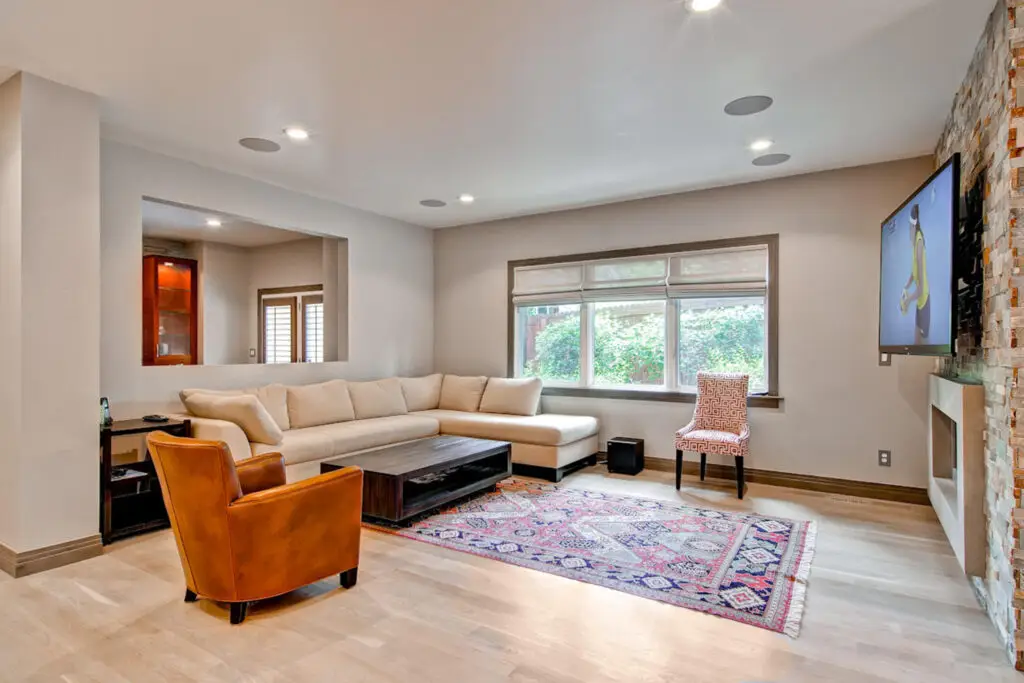
10. Thinking Only About Resale Value
It’s smart to consider resale value, but your home should first and foremost work for you.
Many homeowners become so focused on future buyers that they avoid features they would genuinely enjoy.
Instead, ask yourself:
- Will this improve everyday living?
- Does this make the home more functional?
- Will my family appreciate this feature for years?
Homes designed around the people who live in them often end up being the most desirable to future buyers as well.
Build With a Long-Term Plan
The most successful custom homes don’t happen by accident.
They’re the result of thoughtful planning, realistic budgeting, and working with an experienced team that understands how all the pieces fit together.
Whether you’re still exploring ideas or you’re ready to begin planning your custom home build, taking the time to avoid these common mistakes can help your project stay on schedule and within budget while delivering a home you’ll enjoy for years to come.
At Little Rainy Construction, we work with homeowners throughout Brantford and surrounding communities to design and build custom homes that reflect their goals, lifestyle, and long-term vision. Our custom home building process focuses on quality craftsmanship, transparent communication, and helping homeowners make confident decisions from the first consultation through final construction.
If you’re starting to plan your project, our Construction Price Estimator Tool is a great way to get a rough idea of construction costs before meeting with our team. When you’re ready to start building, we’d be happy to help bring your vision to life.